

According to a report on March 17, Samsung Electronics(www.samsung.com) is adjusting its smartphone panel supply chain strategy amid mounting pressure on overall device costs driven by a continuous rise in memory prices. The company is shifting most flexible OLED panel orders for its mid-range and low-end smartphones from its affiliate Samsung Display to China Star Optoelectronics Technology (CSOT https://www.tclcsot.com). This move has directly led to a sharp decline in orders for Samsung Display, dealing a significant blow to its operating performance.
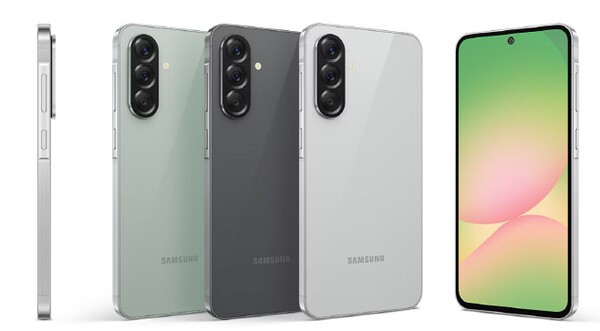
As reported by South Korean media on March 16, Samsung Electronics’ MX Business, which oversees its mobile business, has placed an order for approximately 15 million OLED panels with CSOT. These panels will be used in mid-range models such as the Galaxy A57 and Galaxy FE, with mass production scheduled to start next month.
Previously, OLED panels for Samsung’s A-series smartphones were exclusively supplied by Samsung Display, except for a small number of ultra-low-cost devices. Even for its mid-range and low-end models, Samsung has long relied on panels from its in-house supply chain, primarily to ensure consistent product quality control and maintain a closed-loop internal supply chain ecosystem.
The primary driver behind this supply chain shift is the need to control overall device costs amid surging memory prices. Industry insiders in South Korea stated that rising memory prices are difficult to manage, but there are alternative sourcing options for display panels, making it imperative to minimize costs in this segment as much as possible. Beyond cost control, the adjustment also reflects a deeper strategic consideration of supply chain diversification. Other industry commentators noted that the move is also intended to reduce over-reliance on affiliated suppliers and strengthen bargaining power in the supply chain.
This supply chain restructuring has triggered intense friction between Samsung Electronics’ MX Business and Samsung Display. Samsung Display reportedly attempted to seek intervention from group-level management to reverse the procurement decision, but its appeal was ultimately rejected.
The impact of the order shift has also spread to supporting semiconductor components. It is reported that mid-range devices like the Galaxy A57 equipped with CSOT panels will also adopt display driver ICs and power management ICs from manufacturers in Chinese mainland or Taiwan region.
In terms of market scale, Samsung Electronics shipped around 240 million smartphones last year, with mid-range models such as the A-series serving as its main sales drivers, accounting for more than half of total shipments. Securing a spot in the supply chain for Samsung’s core mid-range models has made Samsung Electronics CSOT’s second-largest global customer.
For Samsung Display, the loss of these orders poses a severe challenge to its profit outlook for this year. In addition to reduced core orders for the Galaxy A-series, major original equipment manufacturers including Samsung Electronics are scaling back low-end product lines due to skyrocketing memory prices, further dragging down overall panel order volumes. Under this dual pressure, Samsung Display’s operating conditions continue to deteriorate.






Add comment