

The iPhone Fold — it’s really coming.
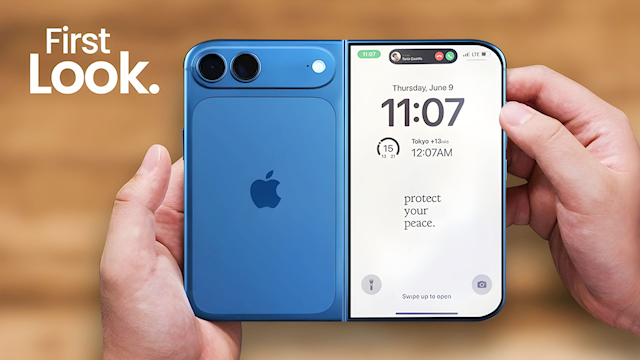
On March 30, renowned Apple insider Mark Gurman confirmed that the iPhone Fold will become the most significant redesign in Apple’s history, surpassing the importance of the iconic iPhone 4 and the full-screen era-defining iPhone X. This is no exaggeration.
Fully upgraded specifications — this is no trial product.
According to the latest supply chain leaks, the official specs of the iPhone Fold are as follows:
- 5.5‑inch outer display; 7.8‑inch inner display when fully unfolded
- TSMC 2nm A20 Pro chip
- 12GB LPDDR5X RAM
- Battery capacity exceeding 5,000 mAh
- Face ID removed; side-mounted fingerprint recognition adopted instead
- Pre-installed specially optimized iOS 27, with native split-screen multi-tasking support

This lineup is clearly engineered for the iPhone Fold to be used as a daily driver — Apple is not testing the waters.
Apple may be late to join the foldable race, but the timing is perfect.
Apple was never the first to make foldable phones. Samsung and top Chinese brands have competed fiercely in this segment for years. Even so, overall foldable experiences have long been inconsistent — issues like hinge durability, display creases, and screen protection still required years of industrial upgrades and supply‑chain refinement.
Apple has never been the early pioneer. It always waits until the technology and supply chain are fully mature before stepping in. After years of optimization, ultra‑thin UTG glass, advanced hinge structures, and precision folding lamination processes are now stable and reliable. By entering now, Apple gains access to a fully polished industrial ecosystem.
2026 will be the true breakout year for foldables — and Apple is the game‑changer.
Samsung’s Galaxy Z series keeps evolving, while flagship foldables from Chinese manufacturers see steady sales growth. With Apple joining the market, foldable phones will finally shift from a niche luxury product to a mainstream flagship standard.
Rumors suggest Apple’s foldable displays will be supplied mainly by Samsung Display and LG Display. Either way, one fact is certain: Apple’s massive orders will instantly expand the entire foldable market and drive huge upstream demand. Foldable panels carry far higher pricing and profit margins than regular OLED screens. Apple’s entry will accelerate market adoption across the whole industry.
The iPhone Fold is expected to launch alongside the iPhone 18 Pro lineup this fall, with official shipments likely starting at the end of the year.
The iPhone 4 redefined smartphones. The iPhone X launched the all‑screen era. Now, it’s the foldable’s turn.
After years of slow progress, the foldable design has finally waited for Apple — the biggest variable in the industry. When the iPhone Fold officially goes on sale, the competition will no longer be about who launched foldables first. It will be about which supply chain can handle Apple’s massive production scale.
The iPhone 4 redefined smartphones, the iPhone X launched the all-screen era, and now the iPhone Fold is about to lead the foldable revolution. As the foldable market grows, the demand for high-quality iPhone Fold screen is becoming more and more urgent — whether you need iPhone screen replacement, repair, or a high-performance display, NTMAX LCD has you covered.





Add comment